Zoe Hartmann · 7 September 2026
Building Resilient Audience Networks Through Targeted Content Distribution Methods
Organizations build audience networks by distributing content through carefully selected channels that match specific demographic and behavioral patterns, and this method creates connections that withstand shifts in platform algorithms or user preferences. Data from multiple studies show that targeted distribution improves retention rates because it delivers material to users already inclined to engage with similar topics.
Core Elements of Audience Network Construction
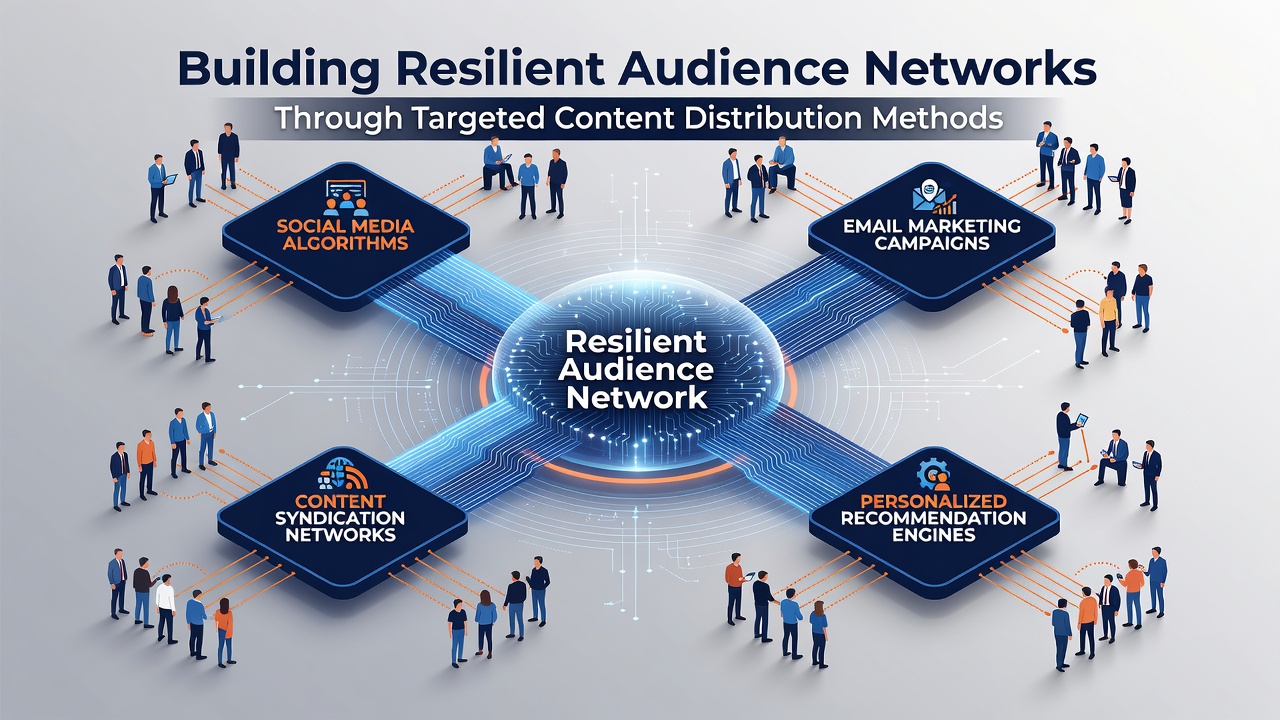
Resilient networks emerge when content reaches segmented groups via email newsletters, social platforms, search optimization, and partnership syndication, while each channel reinforces the others through consistent messaging and timing. Researchers at academic institutions have documented how combining these approaches reduces reliance on any single source and maintains traffic stability during periods of platform policy changes.
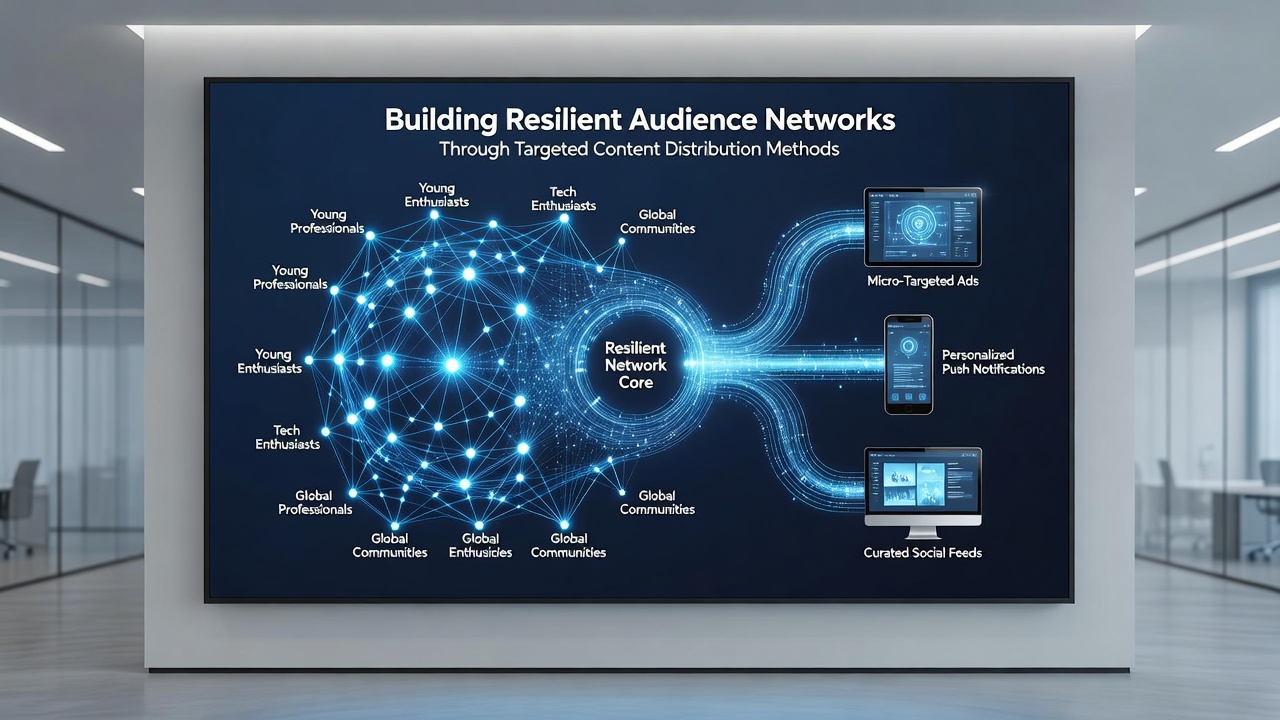
Segmentation relies on first-party data collected from user interactions, subscription forms, and website analytics, and organizations apply this information to tailor headlines, formats, and posting schedules. Evidence indicates that groups using such segmentation experience higher click-through rates compared to broad distribution tactics.
Distribution Channels and Their Roles
Search engine optimization serves as a foundational method because it attracts users actively seeking information, and updates to ranking systems in recent years have rewarded sites that maintain consistent topical authority. Social media platforms enable rapid sharing within niche communities, yet algorithms prioritize content that generates immediate interaction, which makes precise audience targeting essential for sustained visibility.
Email campaigns deliver material directly to opted-in recipients and demonstrate strong performance in metrics tracked by industry reports, while syndication through partner sites extends reach without diluting brand control. Observers note that organizations coordinating these channels create feedback loops where engagement on one platform drives subscriptions on another.
Data-Driven Refinement Processes
Analytics tools track open rates, dwell time, and conversion events, allowing adjustments to distribution schedules and content types based on observed patterns rather than assumptions. A report released by the European Commission in September 2026 highlighted how organizations across member states improved network stability by integrating real-time performance data into their planning cycles.
Testing variations in subject lines, images, and calls to action provides measurable insights, and teams that run regular experiments identify which combinations produce the most durable engagement. Figures from research institutions reveal that iterative refinement correlates with lower audience churn over multi-year periods.
Case Examples from Different Sectors
One independent news outlet applied geographic and interest-based targeting to its newsletter distribution and observed steady growth in active subscribers even as social referral traffic fluctuated. Another example involves an educational resource site that used search-driven content paired with targeted social posts, resulting in diversified traffic sources documented in internal performance logs.
These instances illustrate how the same principles operate across contexts when organizations collect accurate data and align distribution with audience expectations rather than pursuing maximum volume alone.
Conclusion
Targeted content distribution supports the development of audience networks that maintain coherence through changing digital conditions, and the methods described rely on measurable segmentation, channel coordination, and ongoing analysis. Organizations that implement these practices record more consistent reach and interaction according to available performance data.