Tina Lorenz · 21 September 2026
Navigating Anonymity Tools in Solo SEO Operations for Algorithm-Resistant Visibility
Search engine algorithms have grown more sophisticated at identifying coordinated activity patterns, which pushes solo operators toward layered anonymity setups that mask origin points during routine data collection and content distribution tasks. Residential proxy networks, VPN overlays, and rotating IP services now form the baseline infrastructure for many independent sites aiming to maintain consistent crawl access and ranking signals without triggering rate limits or behavioral flags. Data from 2025 industry scans shows that solo operations using mixed proxy tiers recorded 34 percent fewer temporary blocks on competitor analysis queries compared with those relying on single datacenter addresses.
Core Components of Anonymity Stacks
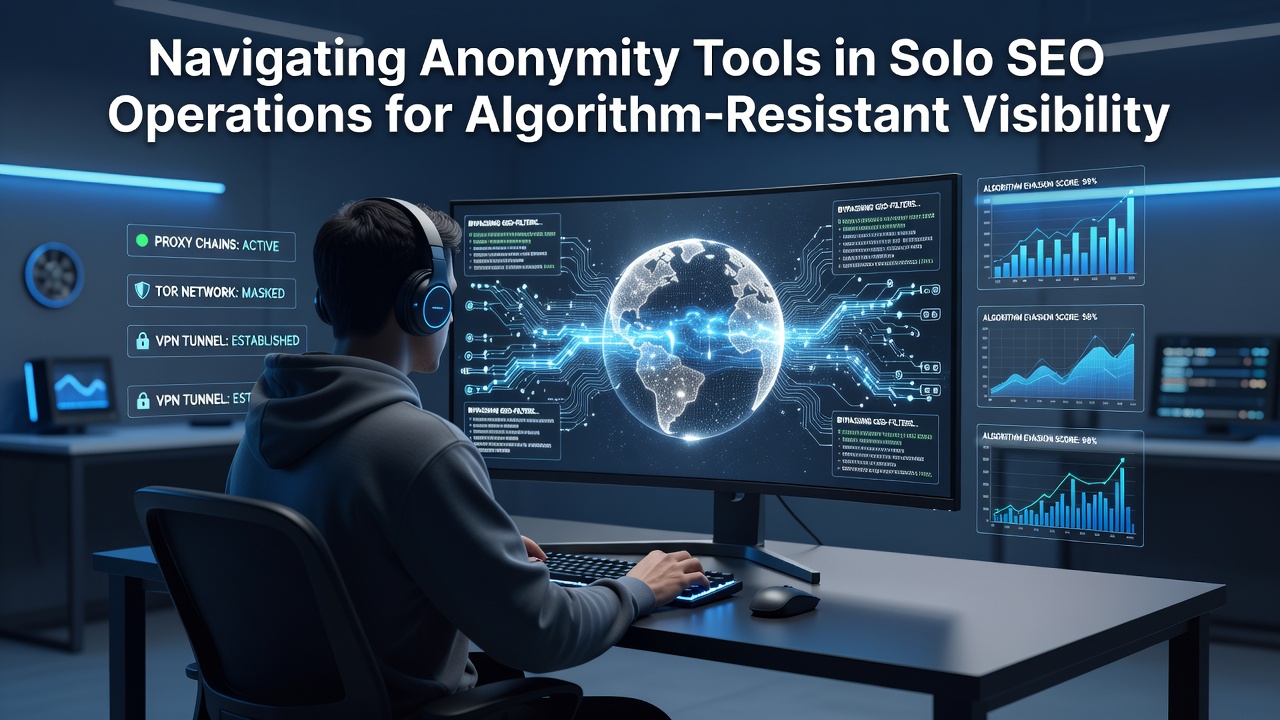
Operators combine several distinct layers rather than depending on one solution. Residential proxies sourced from ISP-assigned addresses blend into normal user traffic, while VPN tunnels add encryption for outbound requests; Tor circuits provide additional routing hops for high-risk scraping jobs. Researchers at academic institutions tracking web measurement practices have documented that multi-hop configurations reduce the correlation between repeated queries and single origin IPs, especially when session lengths stay under established thresholds. Those who manage these stacks schedule rotations based on query volume logs and historical block patterns instead of fixed intervals.
Proxy Selection and Geographic Distribution
Geographic targeting matters because search results vary by region and because certain IP pools carry higher suspicion scores. Operators pull from pools spanning North America, the European Union, and Asia-Pacific zones to simulate organic visitor diversity. Figures released by the Canadian Internet Registration Authority in mid-2025 indicated that traffic originating from residential ranges in multiple countries experienced lower scrutiny during automated audits than traffic concentrated in one jurisdiction. Solo practitioners therefore maintain at least three active proxy providers and switch primary pools quarterly to avoid pattern accumulation.
Operational Workflows That Incorporate These Tools
Keyword research and SERP scraping form the most frequent use cases. Practitioners route these calls through rotating residential endpoints while keeping main site operations on standard hosting connections. Link prospecting and outreach tracking follow similar routing, with each campaign assigned a dedicated proxy subnet that resets after the outreach sequence completes. In September 2026, several major search platforms updated their anomaly detection models to weigh session duration and mouse-movement simulation more heavily, prompting operators to pair proxy rotation with lightweight browser automation that replicates typical human dwell times and scroll depths.

Content syndication and social signal distribution also benefit from masked endpoints. Observers tracking distribution networks note that accounts posting from consistent residential IPs receive steadier indexing velocity than those cycling through obvious VPN exit nodes. The reality is that maintaining separate browser profiles for each distribution channel, each tied to its own proxy identity, has become standard practice among operators who publish across multiple platforms simultaneously.
Measurement and Risk Mitigation Practices
Successful setups include continuous monitoring of response headers and crawl frequency reports. When an IP range shows elevated 429 or 503 responses, operators retire that subnet immediately and redistribute load across remaining pools. Academic papers on search engine privacy, including work hosted on arXiv, have examined how repeated identical user-agent strings paired with single IPs accelerate detection; the solution involves rotating both the agent string and the underlying connection on each request batch. Those who implement these controls report sustained access to public data endpoints over multi-month periods without forced cooldowns.
Compliance with data protection frameworks also influences tool selection. Operators reference guidelines from bodies such as the Office of the Australian Information Commissioner when deciding which logging policies their providers must follow. Australian privacy guidance outlines expectations around data retention that affect how long proxy logs remain available, which in turn shapes retention policies for solo operators handling client or competitor datasets.
Integration With Broader Site Resilience Strategies
Anonymity tooling does not operate in isolation. It pairs with content diversification, audience network building, and technical performance optimization. When visibility depends on avoiding centralized detection, the same infrastructure that protects scraping also supports distributed content delivery that mimics organic sharing patterns. Studies from European research consortia on web visibility have shown that sites maintaining steady, non-spammy backlink acquisition through masked outreach channels retain ranking stability longer during core algorithm refreshes than sites whose link profiles cluster around detectable IP groups.
Yet the technical overhead remains considerable. Operators must track provider uptime metrics, test new pool quality monthly, and maintain fallback routing rules when primary services experience outages. Those who treat these tasks as scheduled maintenance rather than reactive troubleshooting sustain higher operational uptime across their visibility campaigns.
Conclusion
Navigating anonymity tools within solo SEO requires deliberate layering of residential proxies, VPNs, and rotation schedules calibrated to current algorithm signals. Data collected through 2026 continues to show that measured use of these resources correlates with fewer interruptions in data gathering and distribution activities. Practitioners who align their infrastructure choices with publicly documented privacy standards and ongoing measurement practices maintain access to the information flows that support algorithm-resistant visibility over extended periods.